
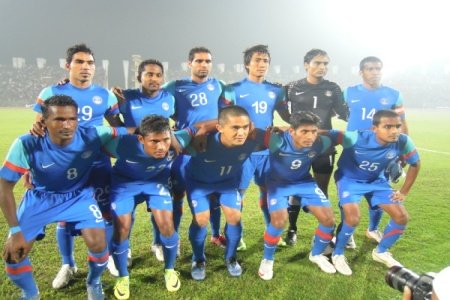
Football is not a new sport in India, and there is no single ladder that guarantees a career. What is changing is how people understand the work around the game. A career can mean time on the pitch, but it can also mean helping someone else prepare for it, make sense of it, or build a team and community around it.
That wider view matters for young players, parents and anyone searching for football as a career. It helps replace the all-or-nothing question—“Will I become a professional player?”—with a better one: “Which part of football do I want to get good at, and what evidence can I build?”
Football is one game, but a career in it can take many different shapes.
The player pathway is only one pathway
Playing remains the dream for many. It takes sustained training, match experience, good guidance, resilience and opportunity. Selection is competitive, and a promising season is not the same thing as a guaranteed contract. That is why players should build their football seriously while keeping their education, health and other skills moving forward too.
At the same time, the professional game relies on a much larger group: coaches, assistant coaches, goalkeeping specialists, performance analysts, scouts, referees, sports scientists, physiotherapists, strength and conditioning staff, team operations, media and community programmes. Some roles are visible on match day; many happen quietly through the week.
These are not “backup jobs” for people who did not make it as players. They are distinct professions with their own craft. A strong analyst needs to observe and communicate. A referee needs fitness, rules knowledge and calm decisions. A sports physio needs the relevant professional education and registration. A coach needs to teach, plan, listen and keep learning.
More ways to work in football
Before choosing a course, get specific about the daily work you want. “I love football” is a useful starting point, but it does not yet tell you whether you enjoy coaching a group, reviewing match footage, organising events or helping athletes recover.
- On the pitch: player, coach, goalkeeper coach, referee or grassroots organiser.
- Analysis and recruitment: performance analyst, video analyst, scout or opposition analyst.
- Player support: physiotherapy, sports science, strength and conditioning, nutrition or psychology—each with its own qualifications and scope of practice.
- Building the game: academy operations, tournament organisation, communications, content, partnerships and community programmes.
Some opportunities sit inside clubs, academies, schools or federations. Others are project-based or independent. The shape of the work—and the number of openings—differs by city, organisation and season. Treat a role description as something to investigate, not a promise that a particular job will be available.
Football coaching in India: from classes to a craft
One sign of a more structured route for football coaching in India is the formal coach education pathway. Taking football coaching classes is only one step. A useful coach education course gives you frameworks and standards; the real craft develops as you plan sessions, work with different players, reflect on what happened and seek feedback from experienced coaches.
The All India Football Federation’s coaching education programme describes coach education as part of player and game development. Its course directory lists AIFF and AFC qualifications, from introductory courses through higher coaching diplomas. Check the current entry requirements and course details directly with the federation before enrolling.
What makes a great football coach? Not a loud voice or a wall of motivational slogans. Look for someone who can observe a player, explain one clear point, design a purposeful activity and adapt when the player needs something different. If you are searching for a top football coach, ask how they give feedback, how they keep sessions safe, what qualifications they hold and how they decide whether a player is improving.
For a coach starting out, a grounded progression could be: learn the basics, assist in a supervised setting, practise planning and delivering sessions, keep a reflective coaching log, and add qualifications as your responsibilities grow. Coaching is a people profession as much as a football profession.
What does football pay look like?
Football pay has no single reliable number. A player’s earnings can depend on level, contract, role, experience, club and the terms of the competition. Coaching income can be salaried, session-based or a mix of academy work and individual sessions. Analysis, operations and support roles depend on the employer, skills and experience required.
At the beginning, some people combine football work with study or another job while they build qualifications, contacts and a track record. Before committing to a full-time pathway, write down likely expenses—course fees, travel, equipment and time—and check what the role actually pays in your area. Speak to people doing that work now. Avoid making a career plan around headline salaries from the highest level of the sport.
Football culture in Mumbai—and beyond the big cities
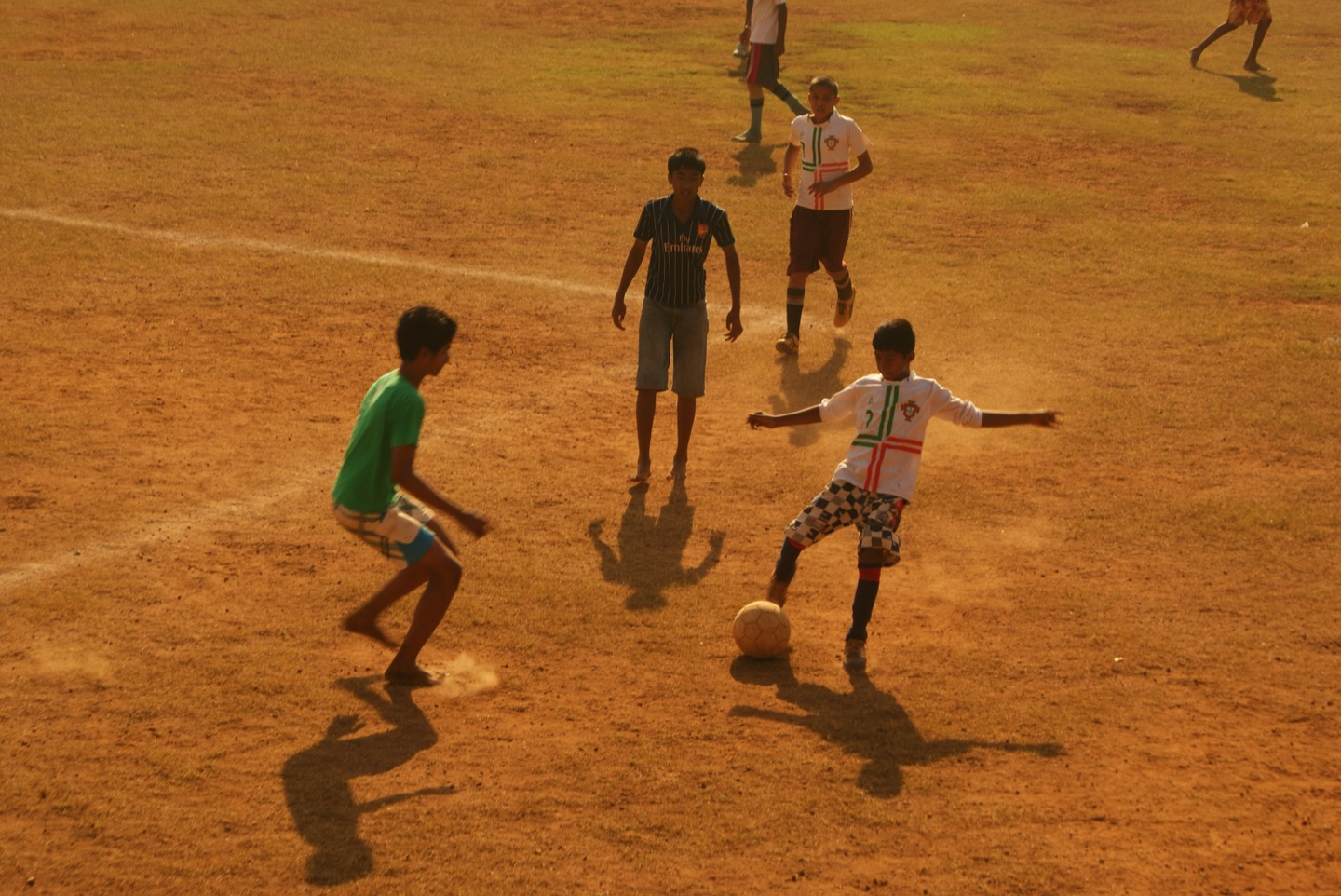
Football culture in Mumbai is built across many scales: school and college teams, neighbourhood grounds, academies, amateur groups and organised competition. Not every player follows the same route, and access to pitches, time and transport can shape what is realistic for each family.
The football culture in tier-two and tier-three cities can look different again. A local club, a school coach or a community ground may be the first doorway into the game. The level of facilities and formal opportunities varies from place to place, but strong local relationships can help players find matches, mentors and a reason to keep showing up.
That local picture is part of football’s opportunity—and part of its challenge. A career ecosystem is not created by a league alone. It also needs qualified coaches, safe places to train, organised competition, people who can support athletes and routes for young people to learn about the jobs around football. The best pathway is the one that fits the player’s city, circumstances and goals.
A practical first plan
If you are considering a life in football, start with a small plan you can actually follow:
- Choose a direction to explore. Player, coach, analyst, referee, support role or operations. You can change direction as you learn.
- Talk to people doing the work. Ask about an ordinary week, not just the best match or biggest success.
- Build a relevant foundation. Find the right course, qualification or supervised experience for that specific role.
- Keep evidence of your progress. Save session plans, analysis samples, match notes or learning reflections where appropriate.
- Review the plan every few months. Notice what you enjoy, what is improving and what the next qualification or experience should be.
And keep playing if you love playing. Learning the game from the inside can help whichever route you choose. The aim is not to force an early decision; it is to make the next one with better information.
Life in football is built day by day
The public sees the match. People working in football also see early starts, weekend schedules, travel, preparation, study and the unglamorous work of doing the basics well. There can be uncertainty, especially at the beginning, but there is also the satisfaction of helping a player understand a detail, supporting a team through a season or making a local programme work.
Football as a career is changing because more people are recognising the range of useful work behind the game. The smart move is to be curious and realistic at once: learn the role, check the qualifications, understand the economics and keep developing your craft.
Quick questions
Is football one of the “new arising sports”?
Football is an established sport in India. What is evolving is the visibility and structure of some career pathways around it. If you are exploring new and emerging sports careers, compare the actual roles, training routes and local opportunities—not just the popularity of a sport.
Are football coaching classes enough to become a coach?
Classes can provide a foundation, but good coaching also requires practice, feedback, preparation and experience working with players. Check the course recognition and requirements for the roles you want.
Can I work in football if I am not a professional player?
Yes. Coaching, refereeing, analysis, scouting, sport science, communications and operations are among the roles that support football. Each has different entry requirements.